
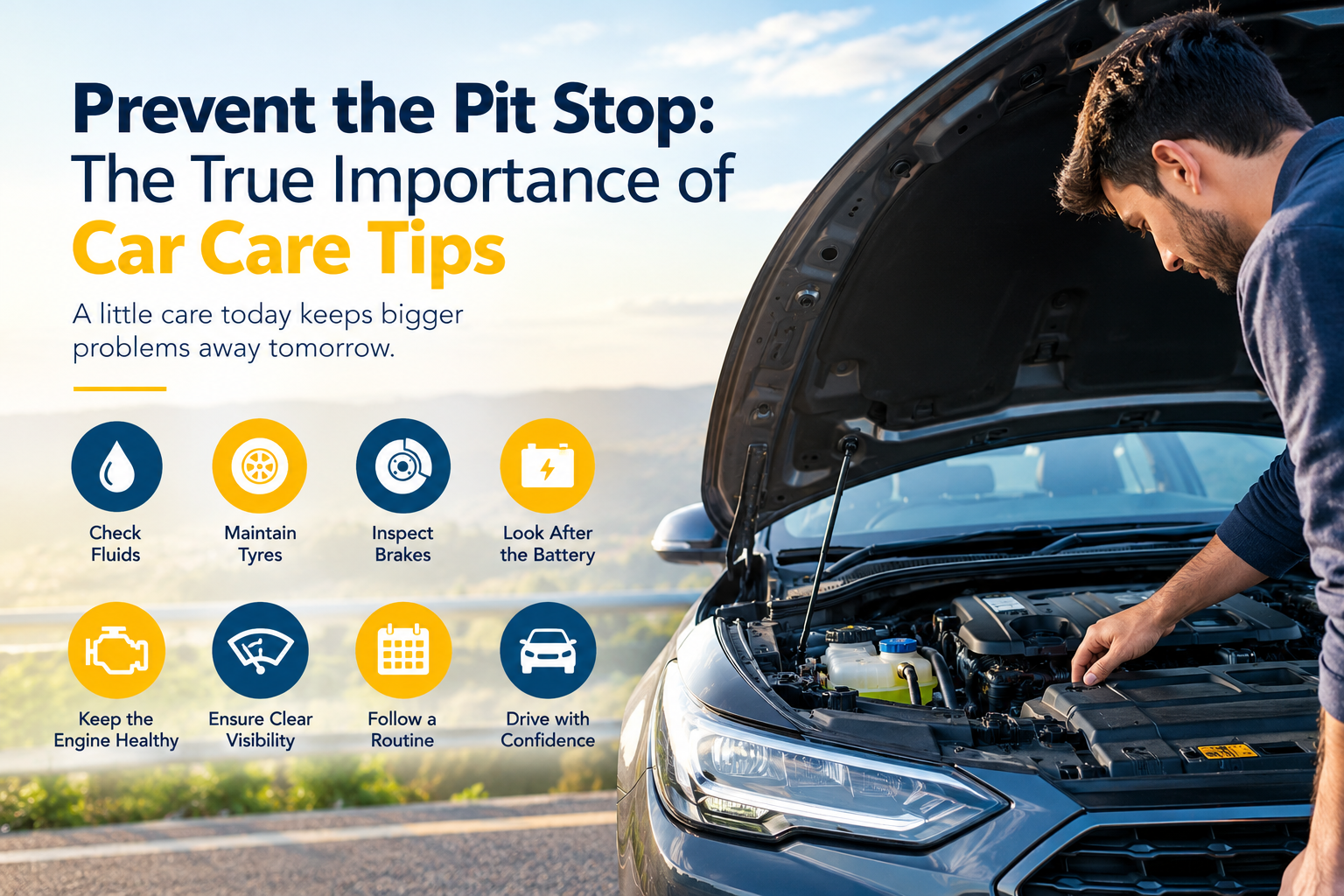
Prevent the Pit Stop: The True Importance of Car Care Tips
A reliable car makes everyday life easier, whether you are commuting to work, travelling with family, or driving across the country. However, even the most dependable vehicle needs regular attention to remain safe and efficient. Many drivers focus on their cars only when a warning light appears or a mechanical problem interrupts their plans. By that stage, a minor issue may have developed into an expensive repair. Following practical car care tips can help drivers prevent unexpected breakdowns, improve vehicle performance, and enjoy greater peace of mind on the road.
Preventing an unwanted pit stop is about more than avoiding inconvenience. It involves understanding how your vehicle works, recognising early warning signs, and developing simple maintenance habits. From checking tyre pressure to changing engine oil at the recommended intervals, consistent care can protect your investment and support safer journeys. With a sensible maintenance routine, drivers can reduce avoidable problems and keep their vehicles ready for everyday travel.
Regular Car Maintenance Matters
Every vehicle contains components that gradually wear down through normal use. Engine parts experience heat and friction, tyres lose pressure, and fluids become less effective over time. Regular inspections help identify these changes before they cause significant trouble.
Preventative maintenance can also make vehicle ownership more predictable. Instead of dealing with unexpected repairs, drivers can plan routine servicing around their schedules and budgets. Although maintenance requires time and money, ignoring basic checks may lead to more expensive consequences later.
For drivers in the United States and the United Kingdom, conditions such as heavy traffic, changing temperatures, wet roads, and winter weather can place additional demands on vehicles. A maintenance schedule suited to the manufacturer’s recommendations and local driving conditions helps keep a car dependable throughout the year.
Essential Car Care Tips for Everyday Drivers
Check Engine Oil and Other Fluids
Engine oil lubricates moving components, reduces friction, and helps manage heat. When the oil level becomes too low or the oil deteriorates, the engine may experience unnecessary wear. Drivers should check the oil according to the vehicle handbook and arrange changes at the recommended intervals.
Other important fluids include coolant, brake fluid, and windscreen washer fluid. Coolant helps regulate engine temperature, while brake fluid supports the braking system. Washer fluid improves visibility by helping remove dirt and road spray from the windscreen.
Never open a hot coolant reservoir, and do not ignore a sudden fluid loss. Unusual leaks, overheating, or changes in braking performance require prompt professional attention.
Maintain Correct Tyre Pressure
Tyres are the only parts of a vehicle that directly contact the road, making their condition essential for handling and braking. Underinflated tyres can increase rolling resistance, affect fuel economy, and contribute to uneven wear. Incorrect pressure may also compromise vehicle control.
Check tyre pressure when the tyres are cold, following the pressure figures provided by the vehicle manufacturer. Inspect the tread and sidewalls for unusual wear, visible damage, or embedded objects. Remember that the legal minimum tread requirements differ between countries and vehicle categories, so drivers should follow the rules that apply where they drive.
| Tyre maintenance task | Recommended approach | Main benefit |
|---|---|---|
| Pressure check | Follow the manufacturer’s guidance | Supports handling and efficiency |
| Tread inspection | Check regularly for wear and damage | Helps maintain road grip |
| Wheel alignment | Arrange checks when symptoms appear | Reduces uneven tyre wear |
| Seasonal inspection | Assess suitability for local conditions | Improves preparedness |
Replace Engine Oil and Filters on Time
Oil and air filters help protect the engine from contaminants. Over time, filters collect particles and may become less effective. Replacing them according to the service schedule helps maintain proper operation.
The correct interval depends on the vehicle, engine type, oil specification, and driving conditions. Frequent short journeys, dusty roads, towing, and heavy traffic may require a different maintenance approach from occasional motorway driving.
Drivers should consult the owner’s manual rather than relying on a single universal service interval. Using the correct oil specification is equally important because different engines require different formulations.
Keep Your Brakes in Excellent Condition
Brakes are among the most important safety systems in any vehicle. Worn brake pads, damaged discs, or problems with brake fluid can reduce braking performance and increase stopping distances.
Pay attention to warning signs such as unusual squealing, grinding noises, vibration during braking, or a brake pedal that feels different from normal. These symptoms do not always have the same cause, so a qualified technician should inspect the system.
Never postpone investigating a serious brake warning or a sudden change in braking performance. Stop somewhere safe when necessary and arrange professional assistance. Regular brake inspections provide an opportunity to identify wear before it develops into a more serious problem.
Protect the Battery and Electrical System
A weak battery can leave a driver unable to start the car, particularly during cold weather. Battery performance can decline with age, repeated short journeys, and prolonged periods without use.
Drivers can reduce avoidable battery problems by keeping the battery terminals clean and checking for corrosion when it is safe to do so. A professional battery test may be useful if starting becomes slow or the battery is several years old.
Modern vehicles also rely on electrical systems for lighting, safety features, engine management, and infotainment. If dashboard warnings appear or electrical components stop working, professional diagnosis can help identify the underlying fault.
Do Not Ignore Warning Lights
Dashboard warning lights communicate information about the vehicle’s condition. Some indicate routine maintenance needs, while others signal faults that require immediate attention.
Drivers should learn the meaning of the warning symbols described in their vehicle handbook. A red warning or a flashing engine warning may indicate a serious issue, although the correct response depends on the specific symbol and vehicle. Follow the manufacturer’s instructions, stop safely when required, and seek professional advice.
Ignoring warning lights can allow a manageable issue to become more complicated. Early diagnosis may reduce repair costs and help protect essential components from further damage.
Keep the Interior and Exterior Clean
Cleaning a car is not simply about appearance. Dirt, road salt, bird droppings, and other contaminants can affect paintwork and contribute to corrosion if left untreated. Regular washing is especially useful in areas where roads are salted during winter.
The interior also deserves attention. Clean windows improve visibility, while removing loose objects helps prevent distractions and keeps the driving area organised. Floor mats should be properly secured so they cannot interfere with the pedals.
Check windscreen wipers regularly and replace them when they leave streaks, skip across the glass, or fail to clear water effectively. Clear visibility is essential in rainy conditions common across many parts of the UK and the US.
Follow a Seasonal Car Care Routine
Weather changes can affect several vehicle systems. Hot conditions may increase cooling demands, while cold temperatures can affect battery performance and tyre pressure. Heavy rain creates additional demands on tyres, wipers, and lighting.
Before winter, check the battery, coolant protection, tyres, heating system, and exterior lights. In summer, pay particular attention to the cooling system, tyre condition, and fluid levels. Before a long journey, inspect the vehicle and confirm that emergency equipment is suitable for the route.
| Season | Important checks | Purpose |
|---|---|---|
| Spring | Tyres, wipers, brakes, and lights | Identify wear after winter |
| Summer | Coolant, air conditioning, and tyres | Prepare for warmer conditions |
| Autumn | Battery, lights, and wiper blades | Improve readiness for shorter days |
| Winter | Tyres, antifreeze protection, and battery | Prepare for cold and wet weather |
These checks complement rather than replace scheduled servicing. Always follow the vehicle manufacturer’s instructions and use suitable equipment for the conditions.
Understand the Value of Preventative Maintenance
Preventative maintenance helps drivers make informed decisions about vehicle ownership. It does not eliminate every possible breakdown, but it can reduce the likelihood of problems caused by neglected servicing or unnoticed wear.
The potential financial benefits extend beyond avoiding major repairs. Proper tyre pressure can support fuel efficiency, while maintaining filters and fluids helps keep the engine operating as intended. A well-documented service history may also reassure prospective buyers when the vehicle is sold.
The key is to distinguish between essential maintenance and optional upgrades. Follow the manufacturer’s service requirements, address safety-related faults promptly, and ask a trusted mechanic to explain any recommended repairs. Keeping invoices and service records makes it easier to track completed work and plan future maintenance.
Build a Simple Car Maintenance Checklist
A manageable checklist makes routine care easier to remember. Rather than trying to inspect everything at once, drivers can divide tasks into regular visual checks and scheduled professional servicing.
| Frequency | Maintenance activity |
|---|---|
| Before driving when appropriate | Look for obvious leaks, damage, or warning signs |
| Regularly | Check tyre pressure, lights, and fluid levels as instructed |
| Before long journeys | Inspect tyres, wipers, lights, and essential equipment |
| At scheduled service intervals | Complete manufacturer-recommended maintenance |
| When symptoms appear | Arrange diagnosis of unusual noises, smells, or performance changes |
The exact frequency depends on the car and its usage. Some modern vehicles monitor certain systems electronically, but these features do not replace all physical inspections.
Drivers should also keep useful emergency items in the vehicle where appropriate, such as a warning triangle where legally permitted and required, a first-aid kit, a torch, and a phone charging cable. Check local regulations before carrying or using roadside safety equipment.
Conclusion
Preventing an unexpected pit stop begins with consistent attention to the small details that keep a vehicle dependable. Regular fluid checks, correct tyre pressure, timely servicing, effective brakes, and a healthy battery can all contribute to safer and more predictable journeys.
The most effective car care routine is one that suits the vehicle, the driver’s schedule, and the conditions in which the car operates. Following the manufacturer’s recommendations and seeking professional help when warning signs appear can prevent avoidable damage and support long-term reliability.
Ultimately, good maintenance is an investment in confidence. By making simple inspections and scheduled servicing part of everyday vehicle ownership, drivers can spend less time worrying about preventable problems and more time enjoying the journey.
Key Takeaways
Regular maintenance helps identify developing problems before they become serious.
Correct tyre pressure, sound brakes, and clear visibility support safer driving.
Engine oil, coolant, and other fluids should be checked according to manufacturer guidance.
Warning lights, unusual noises, and sudden performance changes should never be ignored.
Seasonal inspections help prepare vehicles for changing weather and road conditions.
A simple checklist and organised service records make vehicle maintenance easier to manage.
Frequently Asked Questions
How often should I service my car?
Follow the service schedule in your owner’s manual. The interval depends on the vehicle, mileage, age, and driving conditions.
What is the most important routine car check?
There is no single check that replaces all others. Tyres, brakes, fluids, lights, and warning indicators all play important roles in vehicle safety and reliability.
Can regular maintenance reduce repair costs?
It can help reduce avoidable expenses by identifying wear and developing faults earlier. However, maintenance cannot prevent every mechanical failure.
Should I check my car before a long journey?
Yes. Check tyre condition and pressure, lights, wipers, fluid levels, and any existing warning signs. Arrange professional inspection if you notice a safety-related concern.
What should I do if a warning light appears?
Consult the vehicle handbook to identify the warning and follow its instructions. If the warning indicates a serious fault or the car behaves abnormally, stop safely when necessary and seek professional assistance.
editor's pick
latest video

news via inbox
Nulla turp dis cursus. Integer liberos euismod pretium faucibua